 Sleep
Epitalon and sleep
a rat pineal-cell experiment found changes in melatonin production. That result helps explain the interest in sleep, while leaving human sleep benefits unproven.

Epitalon, telomeres, MOTS-c and NAD+. What the studies show, and what remains open.
Explore epitalonSleep and longevity bring together several different lines of science. A change in a cell can be real without telling us whether someone sleeps better, moves more easily or lives longer. Dream Peptides follows those distinctions through the studies themselves.
Here, epitalon’s connection to melatonin sits beside its work on chromosome ends. MOTS-c brings muscle and movement into view. NAD+ introduces human trials of substances that cells can use to make this essential coenzyme. Each subject has its own evidence and safety questions.
Sleepa rat pineal-cell experiment found changes in melatonin production. That result helps explain the interest in sleep, while leaving human sleep benefits unproven.
 Muscle
performance improved in mice. Research on a naturally occurring peptide does not establish that administering it improves human fitness.
 Human trials
some oral precursor studies report changes in walking or glucose handling. The broader clinical findings remain uneven, and precursor results cannot stand in for infusion evidence.
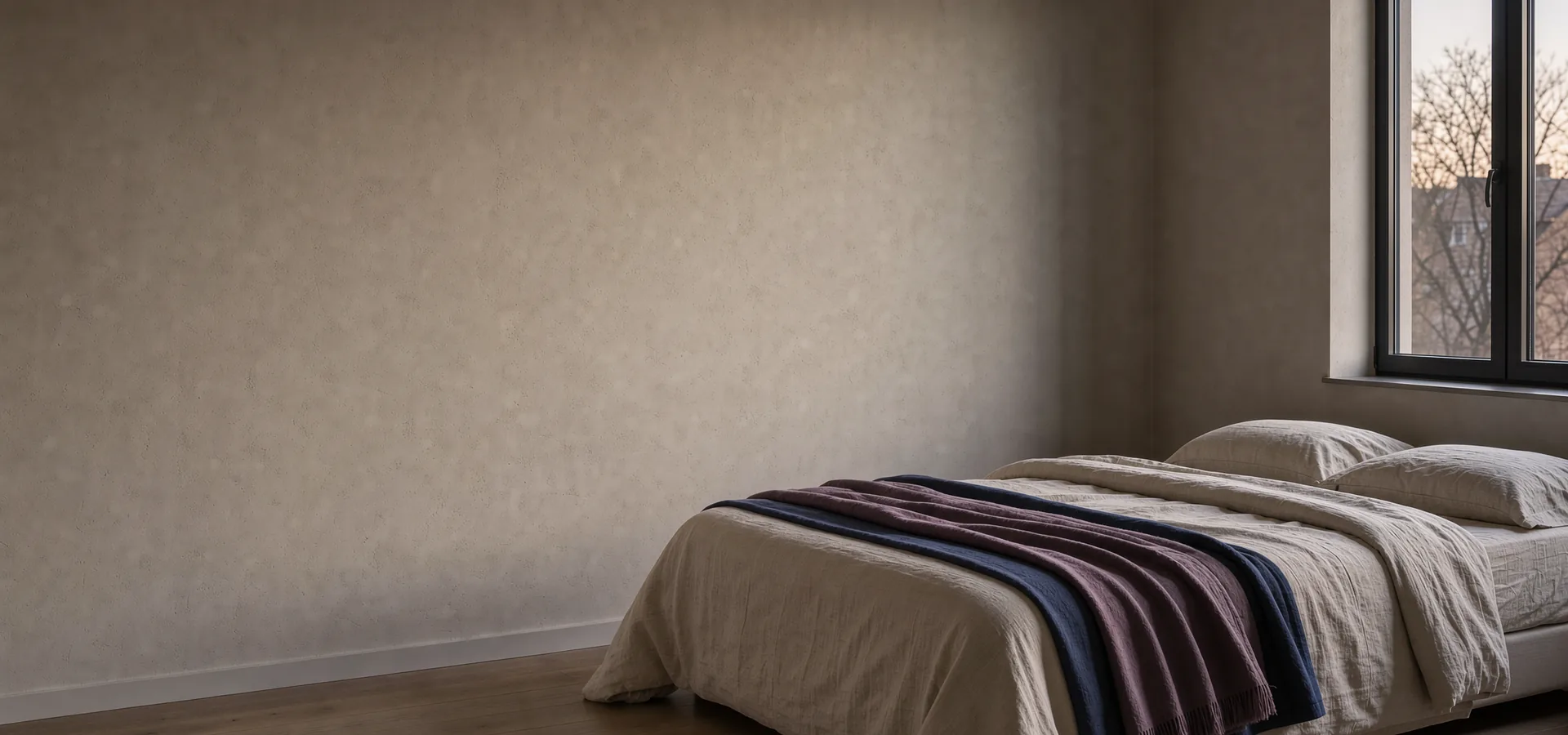
Melatonin production is one part of a much larger sleep question. A laboratory measurement cannot establish a change in sleep quality. Reports of deeper sleep or vivid dreams after epitalon are anecdotal, not clinical evidence; other people report no change.
The sleep evidenceStart with the material tested, the study setting and the outcome measured. Human cells in a dish are different from treated human participants. A blood marker is different from a change in daily function. Short follow-up leaves long-term safety unresolved.
The telomere findings make these distinctions especially important. Epitalon lengthened chromosome ends in normal cells and in breast-cancer cell lines. That is a reason to examine safety, rather than treating longer telomeres as a health score.
How the site approaches studies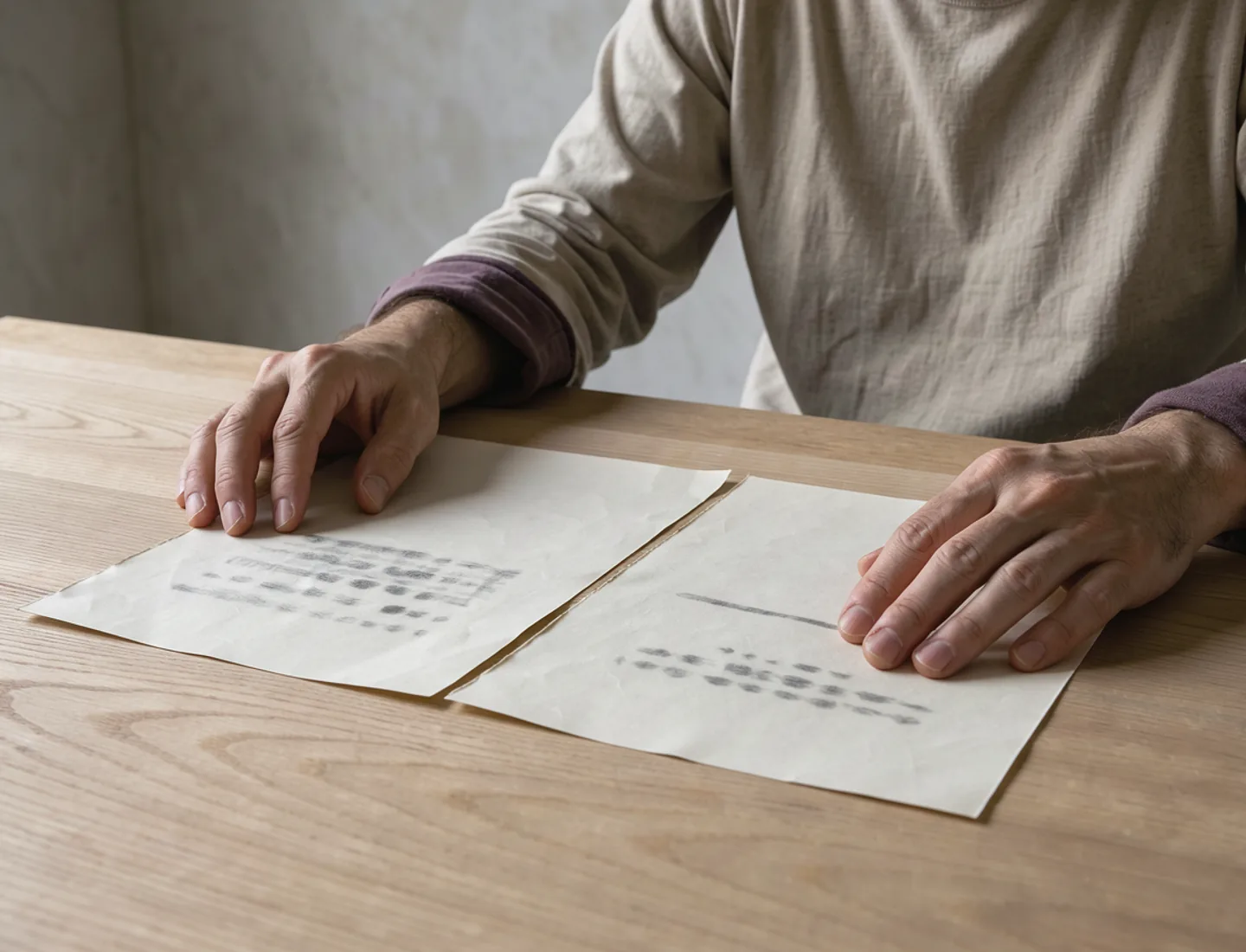

The topic pages pair promising results with their limits. The source list brings the original studies and reviews together, so each claim can be followed back to the experiment behind it.
No combination of these findings establishes a shared treatment for sleep or aging. Questions about an individual’s symptoms or treatment belong in personal medical care.
Browse the sourcesFindings describe the study setting and material tested. Personal treatment decisions require medical care.